
Why I Write
Some stories take years to find their voice. Others whisper early and never quite leave.
Origin
I was 10 years old in 1963 when my father took me to see Dr. No. That afternoon did what the best stories do, it opened a door. Espionage, shadows, silences, and betrayals cloaked in elegance got under my skin and never let go.

Awakening
Not long after, in catechism class at my Catholic grammar school, I committed what Father Michael might have called a “literary heresy.” While we were supposed to be reading our religious instruction in silence, I’d slipped a worn copy of Diamonds Are Forever inside my catechism book. I was deep in the world of James Bond when Father Michael caught me red-handed. With dramatic flair, he confiscated the novel and delivered a public shaming of my sinful literary wanderings. It only sharpened my fascination. Apparently, spy novels were powerful enough to get me in trouble with both God and man.
From those early days to the present, I’ve remained devoted to the genre, not only for its suspense, but for the reckoning beneath it.
Philosophy
The most enduring tension isn’t always the gunshot or the chase.
It’s the moral weather behind a decision, the personal cost of loyalty.
The moment a person realizes they’ve crossed a line… and cannot uncross it.
Practice
I didn’t begin writing seriously until later in life. After four decades in the insurance industry, I retired in 2022 and finally gave myself permission to write fiction. Those years taught me precision, restraint, and realism. Fiction at first felt like trespassing into a forbidden garden until I discovered it wasn’t forbidden at all. I began with short stories, using them as a laboratory. Over time, the stories grew into larger ambitions, novels like Shadows of Elsewhere.
Identity
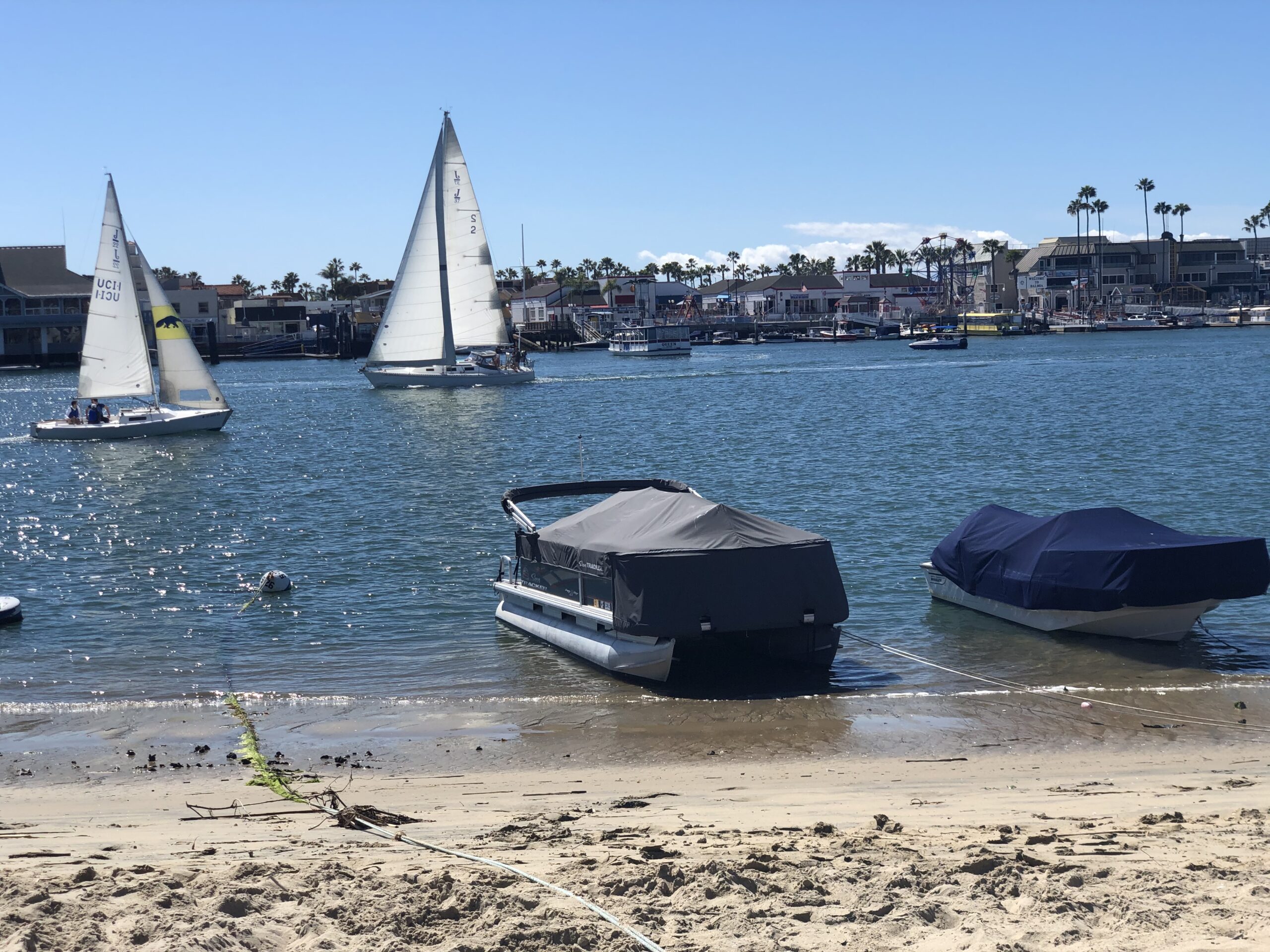
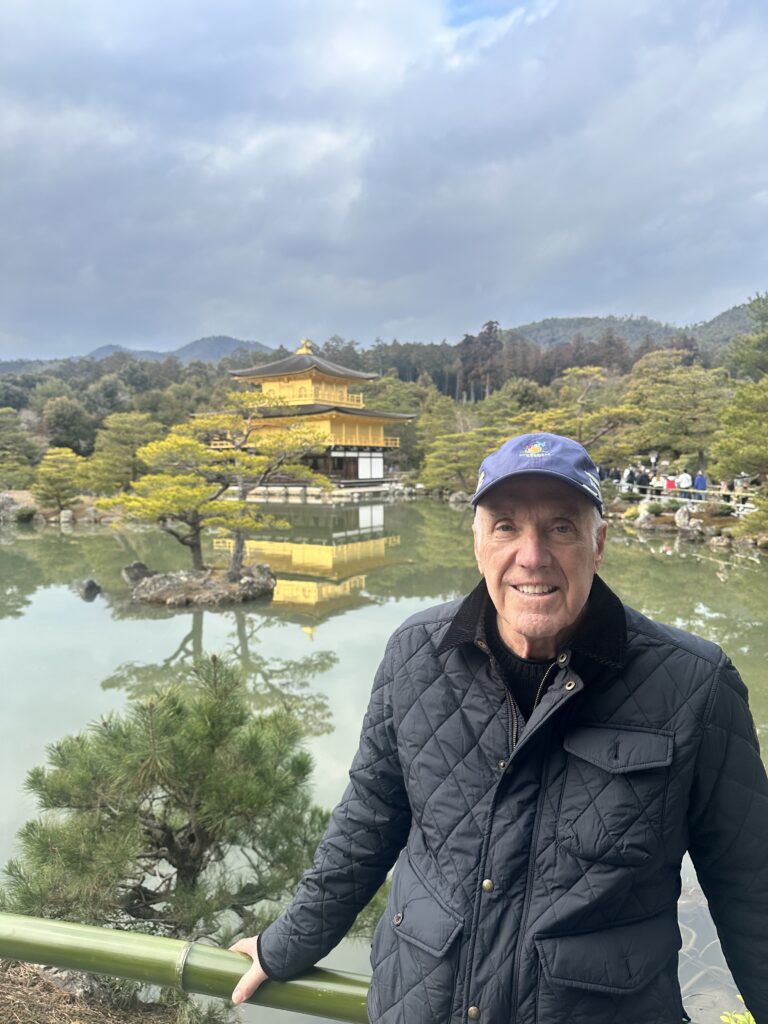
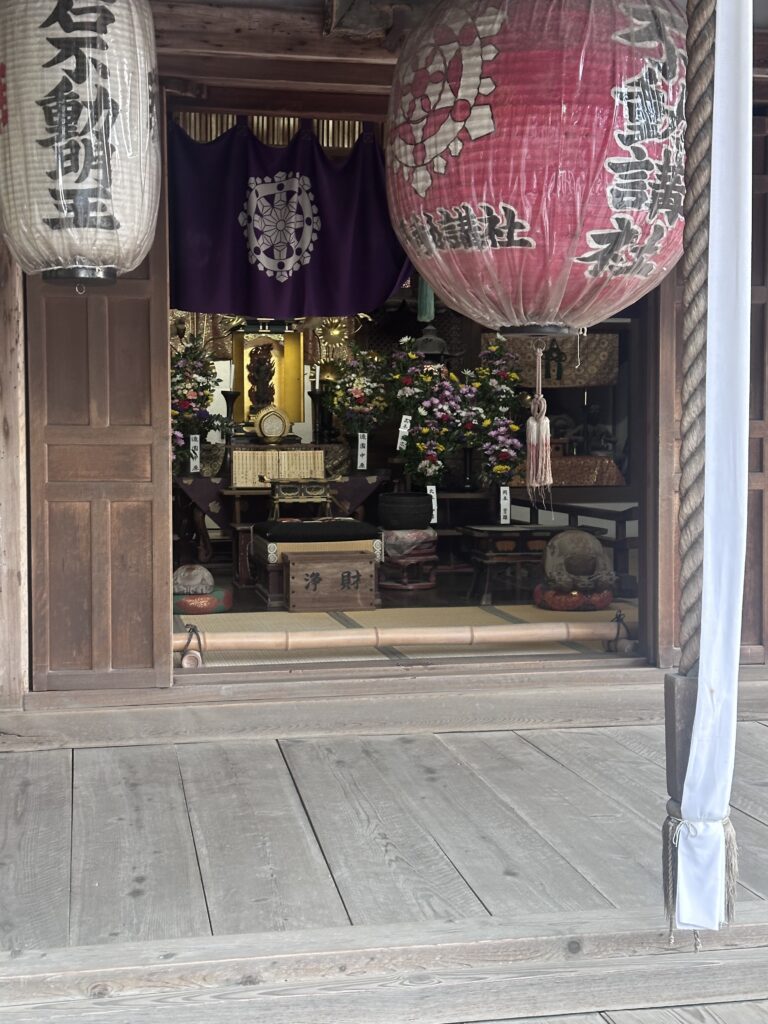
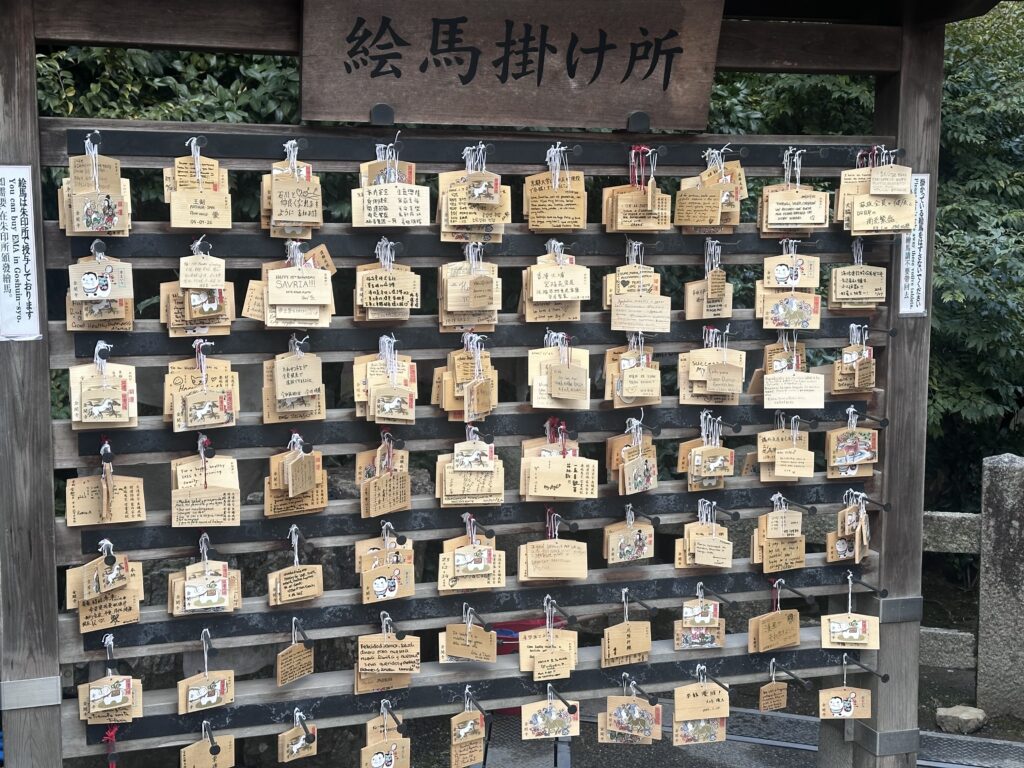
Travel is my second education as a writer. I believe deeply in the spirit of place: in how a city, a coastline, or a border crossing can carry history and memory. Lawrence Durrell and Paul Theroux shaped this devotion in me, the idea that landscape is never neutral.
Place doesn’t merely surround the story.
It presses upon it.
It shapes what characters notice,
what they fear,
what they desire,
and what they’re willing to risk.
I’m drawn to female protagonists, not as a statement, but as a way of seeing more clearly. Through them, questions of vulnerability, restraint, and moral tension come into sharper focus. The spy genre has long been dominated by one familiar voice. I’ve never felt compelled to expand that chorus. Instead, I’ve tried to listen for other voices, ones that may speak softer, but feel no less urgent or true.
The Whisper — Why You are Here
I write about what history leaves behind. The scars cities carry. The loyalties that fail quietly. The pilgrimages we take without knowing we are on them.
Some of my stories move through intelligence corridors and shadowed embassies. Others unfold at café tables, train windows, and candle-lit churches.
All of them are about belonging, loss, memory, and the places where the soul still lingers.